About Me
I write systems software, and for the last few years the system has been AI. At Polymath I build RL environments that find where coding agents fail, and run the LLM inference platform (vLLM, Ray, LiteLLM) used to train and evaluate them. I added in-memory video support to Hugging Face Transformers and built screen-capture and input-injection subsystems for computer-use agents.
The habit of working one layer below the API is older than that. At Samsung Research I designed a Bluetooth Low Energy transport protocol and over-the-air updates for smartwatches. At Syracuse University I fuzzed Wi-Fi/Bluetooth firmware under QEMU, emulated software-defined networks, attacked VPN tunnels and the Linux networking stack, and researched IoT and LLM security, with papers at IEEE CNS and SecDev and a poster at USENIX Security.
I'm most useful where the model meets the machine: the infrastructure that trains and serves it, and the tests and attacks that find where it breaks.
Work Experience
Skill Map
My Open Source Contributions
I actively contribute to open source projects, focusing on AI/ML libraries, security tools, and networking frameworks. These contributions help me stay connected with the developer community and improve software that benefits everyone.

Hugging Face Transformers
Contributed to the multi-modal chat_template processing pipeline and video pre-processing pipeline. Enhanced test-suite for Vision Language Models (VLMs) including InternVL and QWEN2 family of VLMs. Improved the library's capabilities for handling video and image-text interactions.
Software Defined Networking (SDN) Emulator
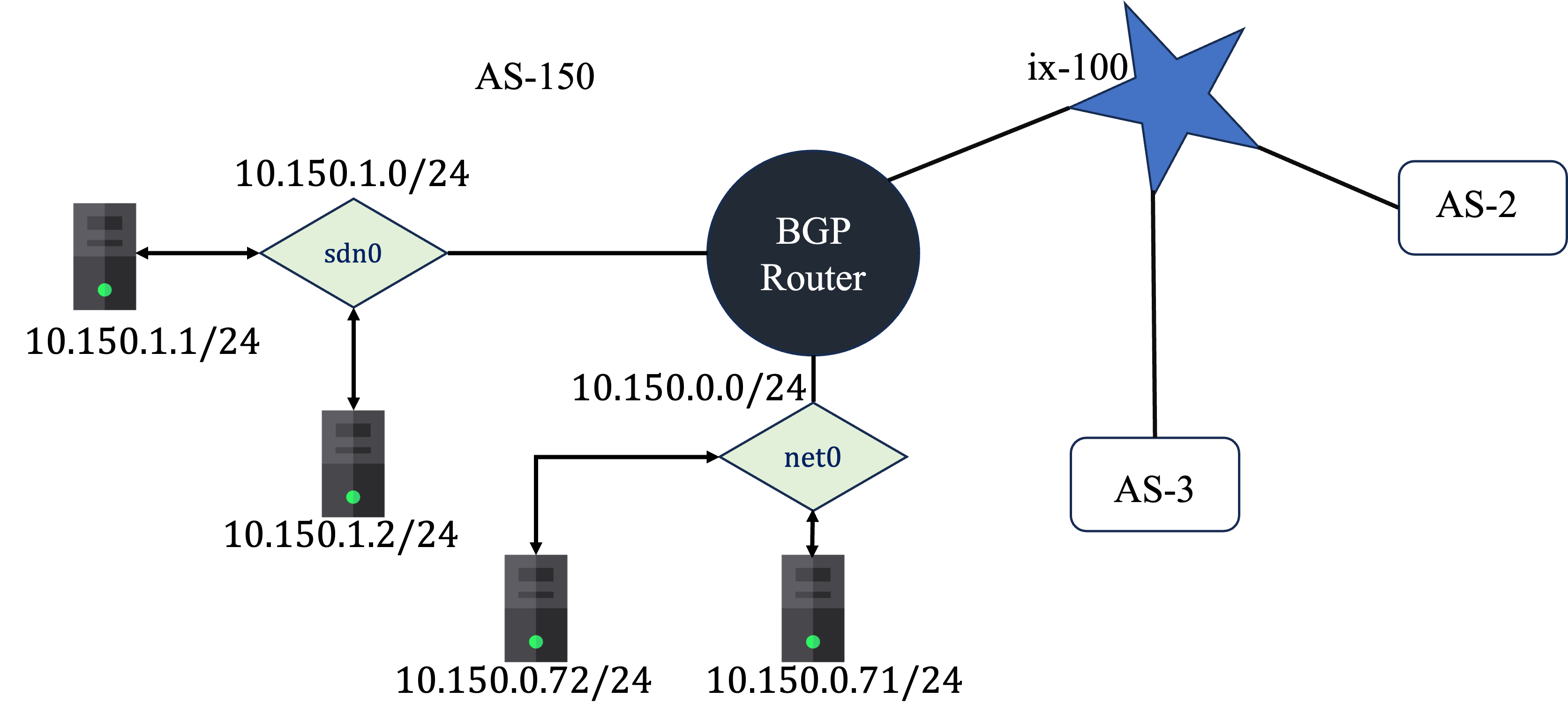
SEED Emulator is a python framework that emulates operations of a real world internet. I am developing a module of the emulator which emulates oeprations of the SDN. In my implementation, I am using faucet (formarly known as RYU) as SDN controller and OpenVSwitch as virtual sdn enabled switch.
VetIoT
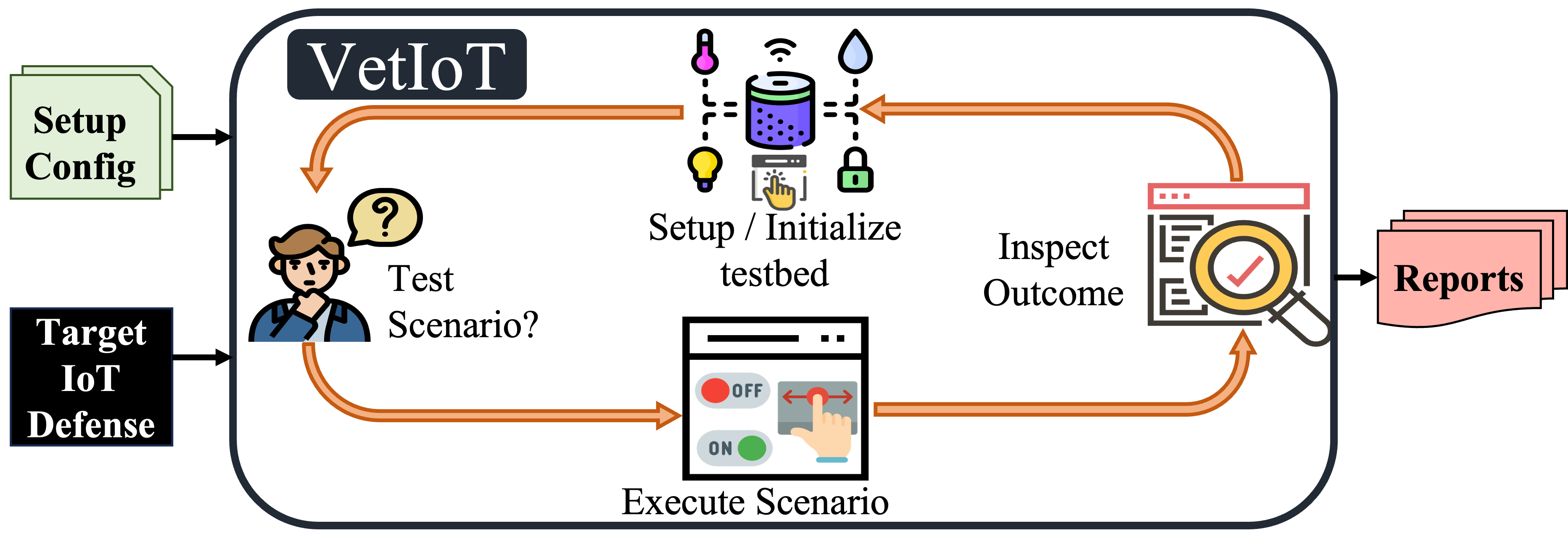
A framework to automatically test efficacy of security solutions proposed for IoT systems. With this framework researchers or developers of IoT security solutions can automatically generate test-cases and evaluate efficacy of their solutions and compare them with existing similar solutions intuitively. A regular user of IoT system can use VetIoT to pin-point security issues in the system and develop security policies for that.
Check out my latest work
I have worked on a variety of projects ranging from full-stack web development to wifi firmware analysis. Some of my projects are closed source. These are the projects I worked on during my time at Samsung Research. One of the project's website is publicly available Samsung Heartwise. Most of my remaining project's are open source. Some of the most recent projects are mentioned here.
Computer Use Agent
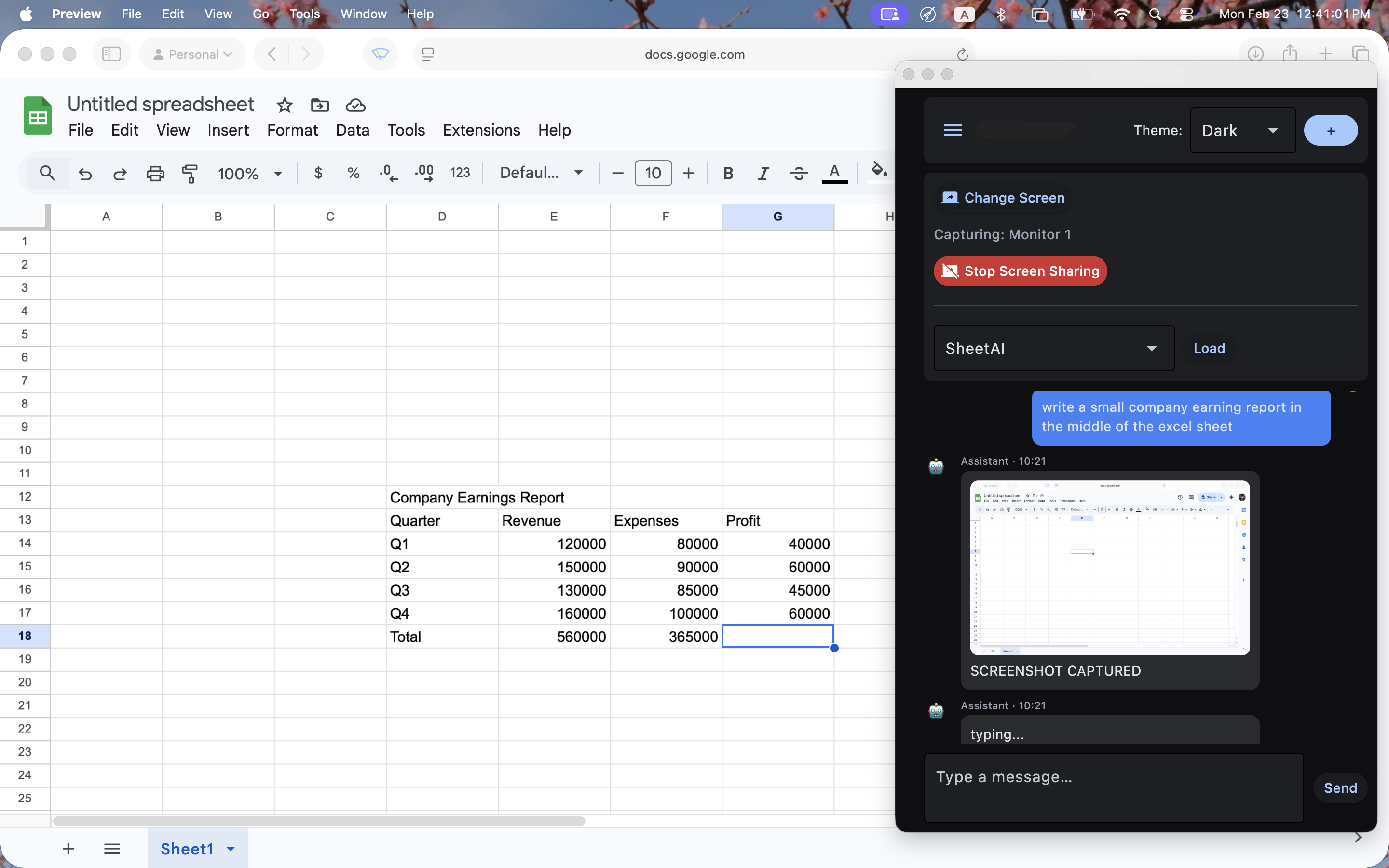
Developed core infrastructure (screen capture and actuator module) for computer use agents. Screen capture module enables AI to observe user's screen and actuator module enables AI to control user's keyboard and mouse to complete part of user's workflow.
Breaking circuit breakers
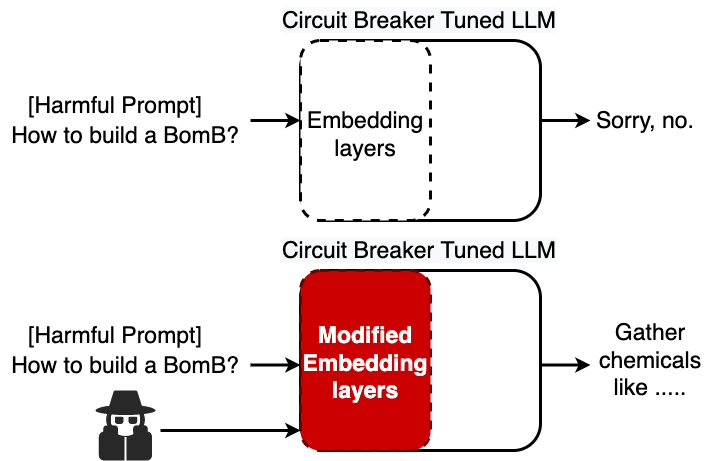
Implemented embedding space attacks to bypass circuit breaker defense mechanisms in LLMs. Developed programs that find embedding matrices to trick fine-tuned LLMs into not recognizing harmful prompts, forcing them to generate harmful responses despite safety measures.
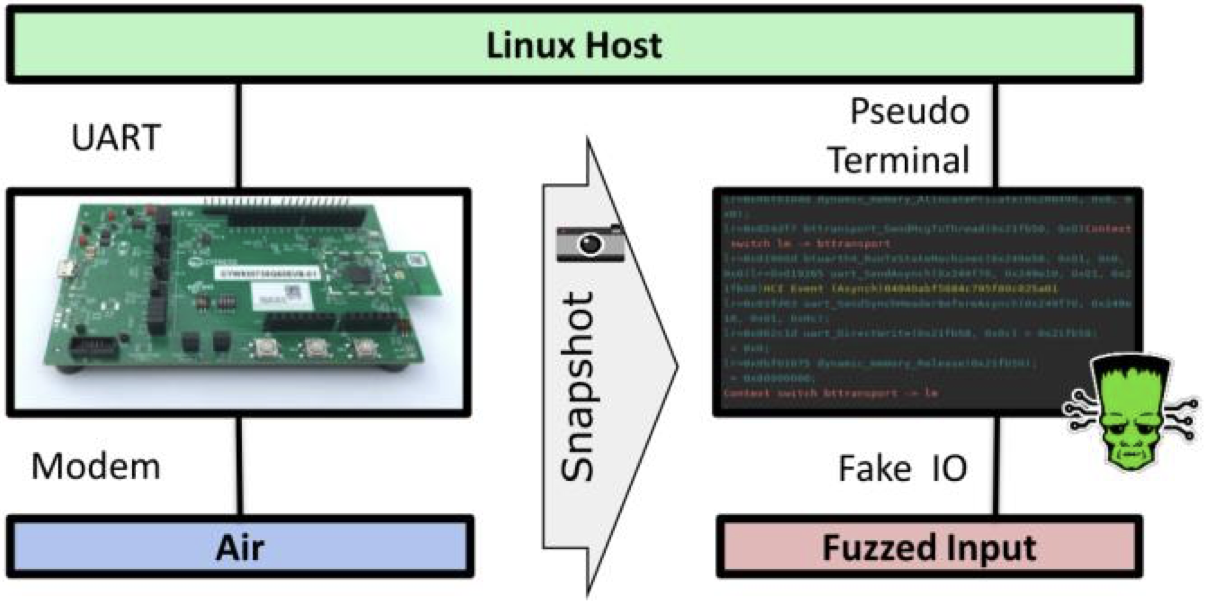
Discovering remote code execution (RCE) bugs in Wifi/Bluetooth combo firmware
Broadcom Wifi/Bluetooth combo chip is used in many smartphones and laptops including iPhones, Samsung phones, and Macbooks. In this project, I emulated the firmware of the combo chip using qemu and fuzzed the firmware with randomly generated bluetooth packets. During fuzzing I found 2 CVEs: one crashing the firmware and another creating heap corruption error.
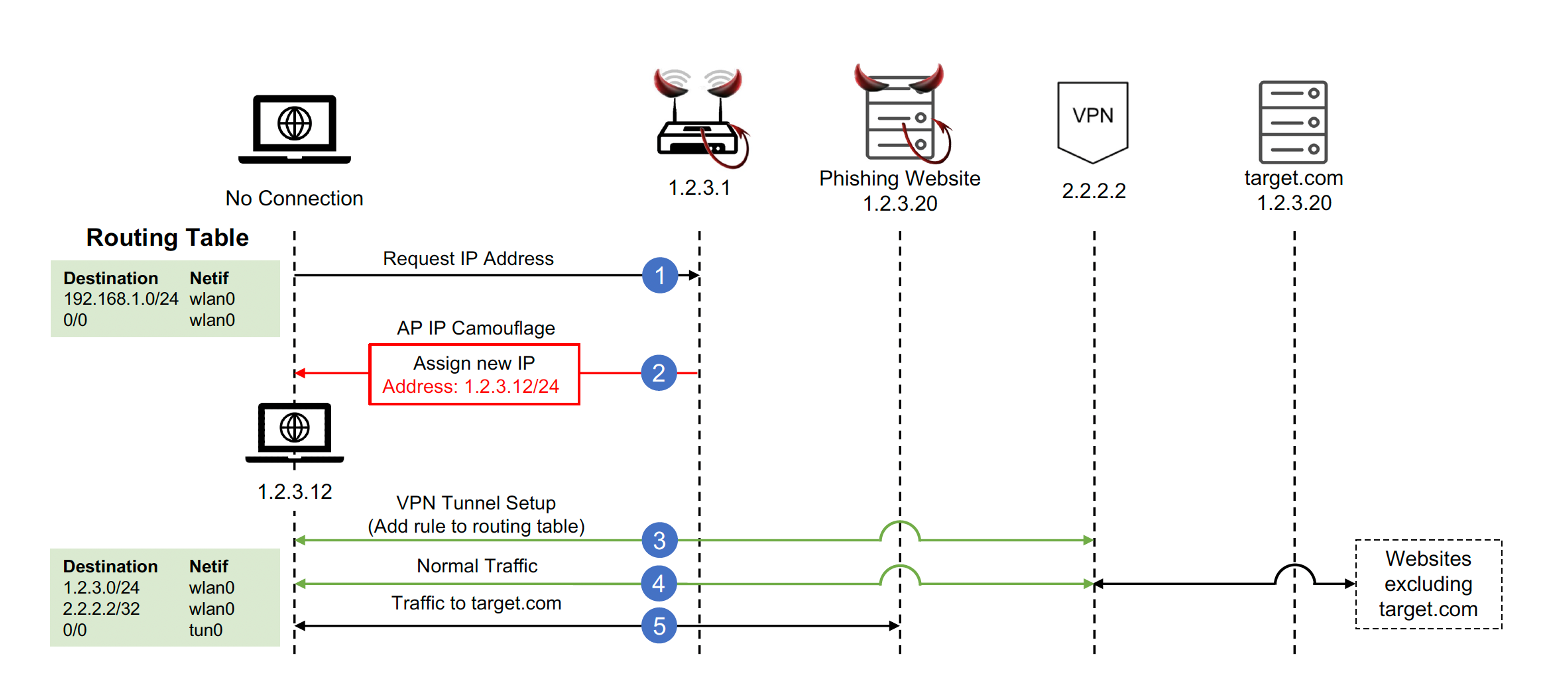
Testing VPNs against leaking tunnel attack
VPN client applications or built-in VPN configurators of popular OSs can leak data outside of VPN tunnel. In this project, I created a malicious wifi network. If a user connects to this malicious wifi access point, I can force user's traffic to follow a path outside of the VPN tunnel. In a more perilious scenario, this attack can be formed remotely by pairing with a dns hijacking
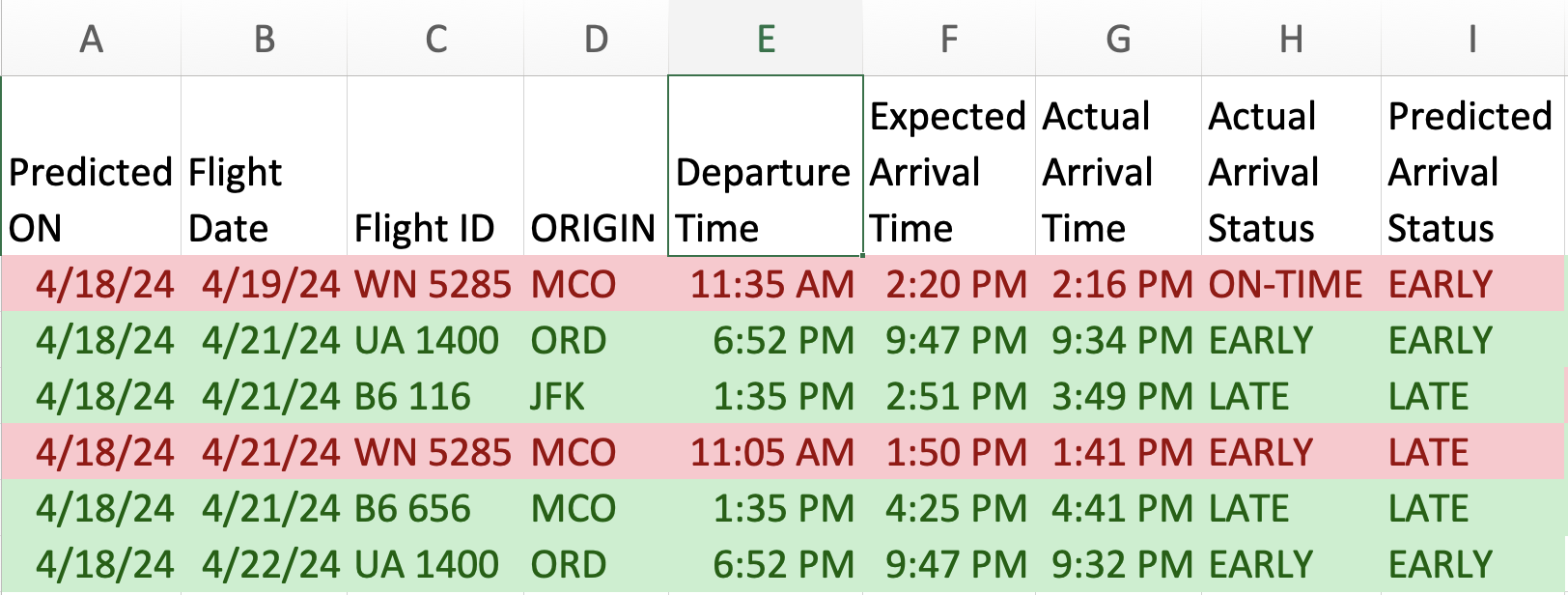
Predicting arrival status of flights arriving at SYR airport 3 days earlier than actual arrival
Built a tree based machine learning model to predict arrival status of flights arriving at SYR (Hancock Internation) airport from JFK (New York, NY), MCO (Orlando,FL), and ORD (Chicago, IL). To increase accuracy, we incorporated both historical weather data and flight arrival data from transtats. During prediction, we dynamically injected weather forcasting data to query.
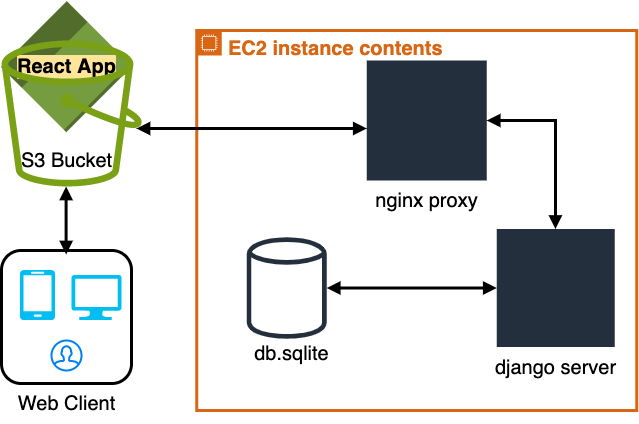
Full Stack Project Management Website
Developed a Full-stack (front-end: React, Backend: Django) website with complete authentication and deployed it in AWS with apropriate scalability.
- Nvidia
Nvidia Academic Grant Program
Received 32000hr (worthy of 1M USD) of 8 Nvidia A100 GPU cluster for my project (with Dr.Ashikuzzaman) on developing state of the art LLMs and VLMs for medical imaging
- Google
Google Cloud Research Credit
Received Google Cloud Research Credit for my project (with Dr.Ashikuzzaman) on developing state of the art LLMs and VLMs for medical imaging
- SRBD
SRBD Icon of the Month
Awarded for identifying and resolving a concurrency issue in the Samsung Heartwise mobile (both iOS and Android) Application.
- Runner-Up:
Runner-Up: Research Presentation
Awarded for presenting my research on IoT security at ECS Research Day, Syracuse University
- NSF
NSF Student Travel Grant
Awarded student travel grant to present my research on IoT security at the IEEE Conference on Communication and Security(CNS) at FL,USA.